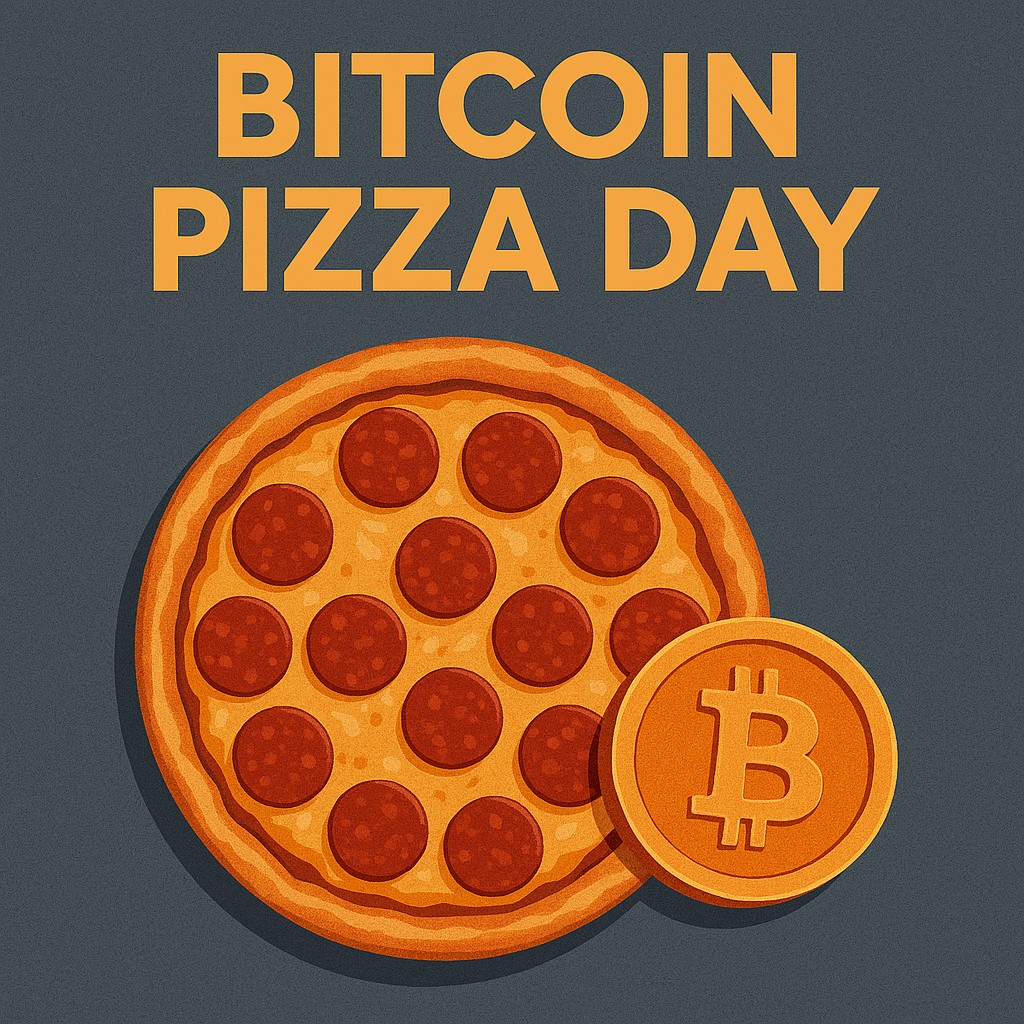

On 22nd May 2010, Laszlo Hanyecz paid 10,000 BTC for two pizzas. At the time, it seemed like a quirky experiment. In retrospect, it was the first proof that a decentralised network could settle a real transaction between two parties who had never met, with no bank in the middle.
Most people tell that story as a punchline about expensive pizza. I think that misses what actually happened.
What Laszlo demonstrated, albeit clumsily, imperfectly, expensively, was that value could move across a network governed by mathematics rather than institutions. That the trust problem in payments could be solved without a trusted third party.
That idea has been working its way through the financial system ever since.
At TVVIN, we’re building regulated, asset-backed stablecoins, operating fully within the Guernsey financial framework and to be classified as fiat-equivalent instruments. No speculation. No volatility. Institutional-grade reserve management, with major banks holding the underlying assets.
But the rails we’re building on? They trace a direct line back to what Hanyecz proved possible in 2010.
The pizza wasn’t the point. The settlement was.
Fifteen years on, we’re at the stage where that primitive proof-of-concept has matured into infrastructure serious enough for institutional treasury, cross-border settlement, and the kind of programmable, compliant value transfer that actually changes how global finance works.
We’re not there because Bitcoin was a speculative asset. We’re there because it was a protocol.
Happy Pizza Day to everyone building the next layer.
#BitcoinPizzaDay #Stablecoins #TVVIN #DigitalFinance #Guernsey #BlockchainInfrastructure